
Facial Recognition Camera Technology: Types, Features and Use Cases
- August 12, 2025
- Posted by:
- Category: Articles
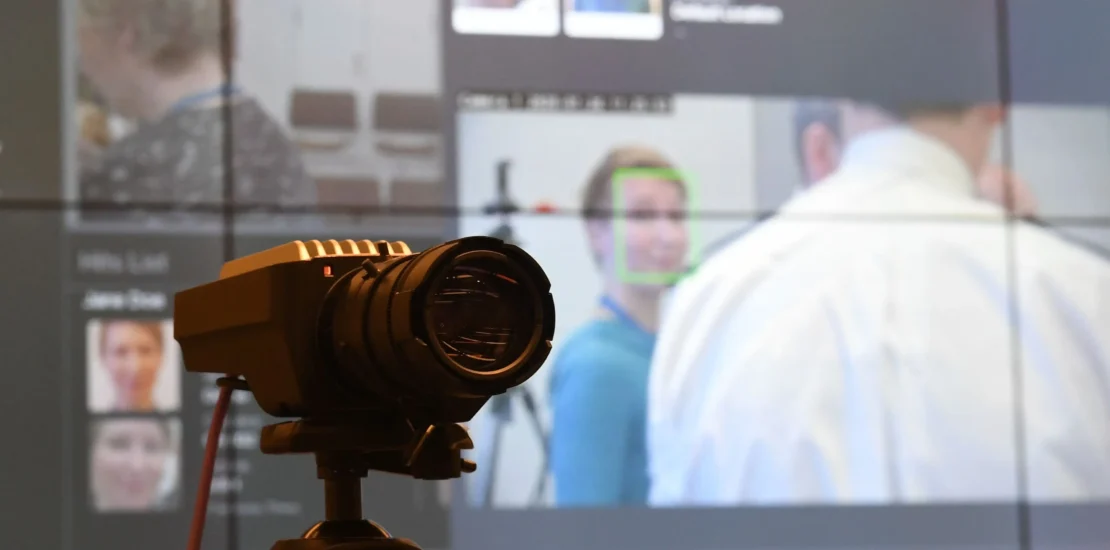
Facial Recognition Camera technology is reshaping security investments, delivering the greatest ROI of all time. Forward-thinking businesses nowadays consider adopting the latest technologies for smart security and AI surveillance, which are critical components of what makes an entity scalable and durable. Organizations evaluate their security infrastructure investments, particularly as the facial recognition market expands from USD 6.73 billion in 2024 to a projected USD 49.01 billion by 2037 (Research Nester, 2025).
This article is a guide to choosing the right “Facial Recognition Camera” by knowing the difference between a hardware-based facial recognition camera with a built-in module, and a facial recognition software embedded system that works in pairs at the backend of a camera.
Understanding the facial recognition architectural differences determines whether an organization’s security investment delivers transformative operational results or becomes a costly technological limitation, especially given that facial recognition software-based solutions offer significantly greater flexibility and performance.
Understanding Facial Recognition Camera Technology Types: Two Distinct Approaches
The facial recognition camera concept manifests through fundamentally different technological approaches, each serving distinct operational requirements and organizational scales. Here’s more about it:
Hardware-Based Facial Recognition Systems
Standalone facial recognition cameras integrate processing capabilities directly within individual camera units through built-in processors and local storage configurations. These types of systems handle single-point verification scenarios where individual authentication occurs against limited local databases.
Hardware-embedded solutions excel in specific deployment contexts:
- Controlled Access Points: Single-door authentication where one person verifies identity against a restricted database.
- Small-Scale Operations: Retail locations or small offices requiring basic identity verification.
- Offline Environments: Areas without reliable network connectivity for centralized processing.
- Budget-Conscious Deployments: Initial security implementations with limited infrastructure requirements.
What are the most common uses for hardware-based face recognition devices?
Hardware Facial Recognition Cameras are widely used in scenarios where fast, secure, and offline-capable identity verification across limited spaces is needed.
Most common use cases for hardware-based face recognition devices are:
- Offices & workplaces – Secure employee entry and automated time & attendance tracking.
- Airports & border checkpoints – Fast, reliable passenger verification for immigration and boarding.
- Banks & ATMs – Customers complete high-value transactions or access safe deposit boxes securely without needing a card or password.
Server-Based Facial Recognition System
Server-based facial recognition systems operate as comprehensive software platforms connecting multiple standard cameras across extensive installations. This type of facial recognition architecture centralizes processing power and database management, transforming basic cameras into intelligent recognition networks.
Server-based solutions address enterprise-scale requirements:
- Multi-Point Coordination: Concurrent processing across hundreds of camera feeds.
- Scalable Database Management: Real-time searches through millions of profiles with sub-second response times.
- Advanced Analytics Integration: Behavioral pattern analysis and demographic insights beyond basic identification.
- Infrastructure Optimization: Working with existing camera investments without hardware replacement.
What Are The Most Common Uses For Server-Based Facial Recognition Systems?
Server-based facial recognition systems are widely used in scenarios where scalable, centralized, and multi-camera identity recognition is required across large or distributed spaces.
Most common use cases for server-based facial recognition systems are:
- Public venues & stadiums: Monitor multiple entry points at the same time, identify persons of interest in crowds, and enhance overall event security.
- City streets & transportation hubs: Integrate with CCTV networks to track wanted individuals, manage traffic safety, and support public safety operations.
- Retail chains & shopping malls: Recognize VIP customers, detect known shoplifters, and analyze visitor demographics across multiple locations.
Also you can learn more about: Software for facial recognition
How Facial Recognition Cameras Work
Regardless of architectural approach, facial recognition cameras function as critical input devices for a systematic five-stage process that transforms visual data into actionable security intelligence.
- Facial Detection Initiation Advanced sensors continuously monitor surveillance areas, scanning for human facial characteristics. Detection algorithms optimize computational resources by identifying specific areas requiring detailed biometric analysis.
- Biometric Measurement Precision Mathematical processing engines calculate precise distances between facial landmarks, then generate detailed anatomical maps with precision levels.
- Digital Identity Generation Processing systems convert physical measurements into unique numerical sequences, generating individual “faceprints”.
- Database Cross-Reference Operations Pattern-matching protocols compare generated facial signatures against stored authorization records.
- Real-Time Decision Processing Verification systems deliver immediate face recognition results, supporting security authentication workflows.
Server-Based Facial Recognition Deployment: Sector-Specific Case Studies
The practical distinction between hardware-embedded and server-based facial recognition cameras becomes most apparent when examining actual deployments across diverse operational environments. These sector-specific implementations demonstrate how architectural choices directly impact scalability, operational efficiency, and long-term system effectiveness.
We’ll spotlight 3 critical sectors where facial recognition cameras integrated with facial recognition software: Intelligent transportation systems, industrial zone protection, and retail access management
Intelligent Transportation Systems (ITS)
The transportation sector demonstrates the critical importance of choosing a supporting facial recognition camera paired with a server-based AI face recognition module for traffic flow and regulations.
Facial Recognition Security Implementation Strategy
- Traffic Monitoring: AI-powered video analytics track and classify vehicles in real time across multiple roadways.
- Violation Detection: Automatic recognition of traffic offenses such as speeding, red-light running, and wrong-way driving.
- Incident Management: Immediate alerting for accidents, stalled vehicles, or road hazards.
- Integrated Enforcement Systems: Seamless connection with license plate recognition (LPR) for offender identification and record keeping.
Facial Recognition Implementation Result
- Reduced Processing Times: Eliminate queue bottlenecks during peak travel periods.
- Enhanced Security Protocols: Real-time identification of unauthorized individuals in restricted areas.
- Comprehensive Audit Trails: Detailed movement tracking for regulatory compliance and incident investigation.
Case Study: Sharjah Police Deploy AI-Powered Facial Recognition in Patrol Vehicles
Sharjah Police have implemented a facial recognition system integrated directly into patrol cars, eliminating the need for manual identity checks during routine operations (Gulf News, 2025). The technology is part of a broader smart traffic safety initiative, which includes AI-driven monitoring of road conditions and violations such as phone use while driving or seat belt non-compliance.
Also you can learn more about: Camera with Face Recognition
Industrial Zone Security
Industrial facilities require facial recognition camera deployments and coordination with server-based facial recognition solutions to achieve multiple security layers.
Facial Recognition Industrial Security Implementation Strategy
- Perimeter – Cameras detect fence breaches, loitering, intrusion attempts, left objects, smoke, or fire—bolstering zone-wide security.
- End Product Storage – Reinforced monitoring for theft or tampering, with tools for perimeter invasion, loitering, and fire or smoke detection.
Zone-Based Monitoring
- Production Area: Face recognition ensures authorized access, while the system checks for missing PPE, detects fires or smoke, counts people, and monitors crowding, especially at evacuation points.
- Hazardous Material Storage: Specialized authorization protocols for dangerous goods areas.
- Maintenance Facilities: Contractor verification against safety training databases.
- Clear Zone: Monitors for loitering, movement, crowd presence, and intrusion, along with vehicle-related issues such as illegal parking or unauthorized entry via license plate recognition.
Facial Recognition Implementation Result
- Automated Threat Detection: Real-time identification of unauthorized individuals across facility zones.
- Emergency Response Integration: Instant personnel accounting during evacuation procedures.
- Safety Protocol Enforcement: Personal protective equipment compliance verification.
- Incident Documentation: Comprehensive activity logging for regulatory reporting requirements.
Case Study: Karachi (Pakistan) Industrial Area Security Enhancement
In Karachi, Pakistan, Deputy Inspector General Dr. Farrukh Ali announced a security upgrade utilizing modern surveillance tools, trained personnel, and advanced communication systems under the Safe City Project (Tribune, August 2025). The implementation includes surveillance cameras, license plate recognition systems, facial recognition software, and centralized monitoring units.
The project acknowledges that human surveillance alone proves insufficient for protecting industrial zones in major metropolitan areas, requiring technological augmentation through intelligent recognition systems.
Retail Security
Retail environments can utilize facial recognition cameras integrated with server-based solutions for access control that extends beyond simple customer identification.
Facial Recognition Retail Security Implementation Strategy
- Entry Point Authentication: Distinguish between authorized personnel, known customers, and restricted individuals.
- Loss Prevention Integration: Real-time recognition of individuals with previous theft records.
- VIP Customer Recognition: Personalized service activation based on purchase history and preferences.
Staff Access Control
- Employee Verification: Authentication for stock rooms, cash handling areas, and management offices.
- Time and Attendance Tracking: Automated workforce monitoring without traditional clock-in procedures.
- Restricted Area Protection: Administrative offices, security rooms, and inventory storage authentication.
Facial Recognition Implementation Result
- Automated Alert Generation: Immediate notification when flagged individuals enter premises.
- Behavioral Analytics: Pattern recognition for suspicious activities and potential security threats.
- Integration Capabilities: Coordination with existing point-of-sale systems and inventory management platforms.
Case Study: Kazakhstan’s AI-Powered National Surveillance
According to The Times of Central Asia (2024), Kazakhstan’s Ministry of Internal Affairs, National Security Committee, and Ministry of Digital Development launched a nationwide video monitoring system powered by artificial intelligence technologies. The system recognizes faces, detects abandoned objects, captures security violations, and identifies vehicles by manufacturer specifications.
Implementation prioritizes critical locations, including shopping malls, hotels, and airports. More than 1.3 million video cameras have been installed nationwide, with 310,000 connected to operational control centers and police coordination stations.
Also you can learn more about: Facial Recognition Security Cameras
AvidBeam’s Server-Based Architecture: Maximizing Facial Recognition Camera Investments
AvidBeam‘s AvidFace solution exemplifies how server-based facial recognition platforms transform facial recognition standard cameras into a full identification network. The AvidBeam’s ATUN platform’s hardware-agnostic design enables organizations to leverage existing camera infrastructure while accessing sophisticated recognition capabilities.
AvidFace Framework Compatibility Advantages
- Processing Power: The backend servers handle computational demands, freeing cameras for pure data collection.
- Database Expansion: Real-time scaling to accommodate organizational growth without the need for hardware replacement.
- Multi-Face Processing: Face recognition across multiple camera feeds with demographic analysis capabilities.
All in All
The facial recognition camera selection decision today positions organizations for sustained competitive advantage through operational efficiency enhancement, comprehensive security protocol implementation, and optimized customer experience delivery.
Success requires matching technical specifications to operational requirements while ensuring scalability for future capacity expansion. Server-based facial recognition solutions provide the flexibility necessary for long-term organizational growth and technological advancement.
Contact AvidBeam at contact us to explore how facial recognition server-based solutions can transform your security infrastructure and maximize existing technology investments.
2 Comments
Comments are closed.
[…] story regarding the proliferation of face recognition systems and their adoption by enterprises. Facial recognition camera projects are expected to reach $5.73 billion by the end of 2025 and $14.55 billion by 2031, […]
[…] Also you can learn more about: Facial Recognition Camera […]