
Automatic Number Plate Recognition (ANPR): A Full Q&A Guide – (What and How)
- July 30, 2025
- Posted by:
- Category: Articles
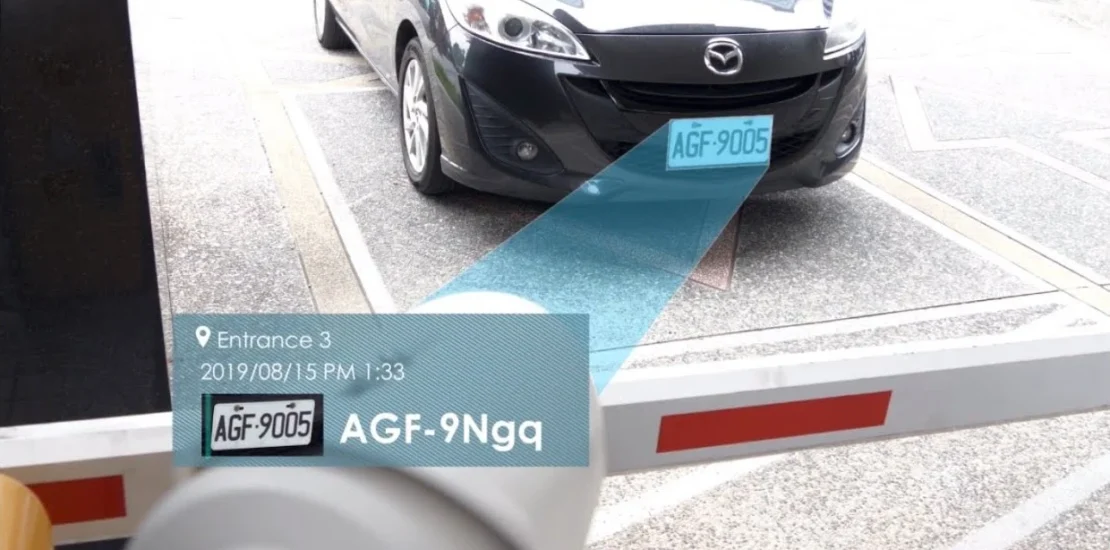
As automatic number plate recognition technology becomes increasingly prevalent across global markets, organizations and decision-makers find themselves navigating numerous questions about implementation, capabilities, and optimal deployment strategies. With the Automatic Number Plate Recognition (ANPR) market expanding from USD 1.99 billion in 2024 to a projected USD 3.65 billion by 2033 (Business Research Insights, 2025), understanding this technology’s nuances has never been more crucial. This Q&A full guide addresses the most pressing inquiries about automatic number plate server-based solutions and strategic implementation considerations.
Automatic Number Plate Recognition – (What Section)
Q: What is automatic number plate recognition technology?
A: Automatic number plate recognition represents a specialized form of optical character recognition (OCR) that captures photographic images or video footage of vehicle license plates and instantly transforms this visual data into digital information. The technology operates through sophisticated surveillance cameras paired with advanced recognition systems that utilize artificial intelligence algorithms to instantly interpret characters and identify vehicles.
Modern Automatic License Plate Recognition (ALPR) systems process this recognition through four distinct phases occurring in milliseconds: localization (identifying plate location within captured images), segmentation (isolating individual character zones), identification (recognizing each segmented character), and regionalization (applying regional syntax rules to differentiate ambiguous characters).
Q: What accuracy standards should organizations expect from modern automatic number plate systems?
A: A modern automatic number plate recognition system demonstrates exceptional precision levels. Advanced platforms like AvidBeam‘s AvidAuto achieve accuracy rates exceeding 92% for English plates and 98% for Arabic plates. When evaluating vendors, organizations should seek systems with a minimum 90% accuracy across various environmental conditions.
The high accuracy rates result from artificial intelligence and neural networks that literally “learn” from experience – the more plates they scan, the more accurate they become.
Q: What real-world applications demonstrate automatic number plate technology?
A: Multiple implementation studies illustrate server-based automatic number plate advantages across diverse sectors:
Environmental Monitoring: Bristol, UK, deployed 49 ANPR units, establishing an environmental control zone within the urban core. Individual cameras oversee up to 3 traffic lanes while the recognition platform retrieves vehicle manufacturer, model, weight classification, engine specifications, emissions rating, and pollution category from government databases (TechHQ, 2025).
Intelligent Parking Solutions: Dubai’s BurJuman commercial center implemented its “Intelligent Parking Platform”, incorporating Automatic License Plate Recognition (ALPR) systems for parking charge determination (Gulf News, 2025).
Also you can learn more about: Automatic License Plate Scanners
Q: What operational benefits do server-based automatic number plate solutions provide?
A: Server-based automatic number plate platforms offer capabilities:
- Multi-Language Compatibility: Sophisticated automatic number plate recognition systems process registrations in various languages and character formats.
- Comprehensive Vehicle Analysis: Beyond registration reading, systems identify color, category, manufacturer, and model. The multi-dimensional approach offers essential backup when license plates become obscured by debris, damage, or challenging lighting circumstances.
- Expandable Framework: Software solutions utilize current camera infrastructure while providing enhanced recognition capabilities, maximizing existing investments.
- Live Analytics: Advanced analysis delivers real-time operational insights through traffic volume monitoring, rush hour recognition, and usage trend evaluation. Facility administrators can optimize workforce scheduling and develop infrastructure enhancements using actual information.
Q: What scale can server-based license plate recognition (LPR) solutions handle?
A: Server-based automatic number plate solutions demonstrate remarkable scalability. Large-scale implementations include AvidBeam‘s transformation of parking management for an 18,000-slot facility in Riyadh, Saudi Arabia, and their vehicle flow monitoring solutions at Madinaty, a planned community in Egypt housing approximately 600,000 residents.
Also you can learn more about: LPR
Automatic Number Plate Recognition – (How Section)
Q: How do server-based automatic number plate recognition (ANPR) differ from traditional (ANPR) hardware cameras?
A: Server-based Automatic License Plate Recognition (ALPR) platforms and traditional hardware installations present distinct specification profiles:
Traditional ANPR Hardware Cameras
- Each device operates autonomously with individual processing units.
- Requires separate administration per camera.
- Demands individual setup and maintenance for each unit.
- Needs a separate network infrastructure for each installation.
- Requires independent power sources per device.
- Administrative requirements increase with each new installation site.
- Organizations become restricted to unchangeable technical parameters.
Server-Based ANPR Solutions
- Centralized processing architecture utilizing existing camera infrastructure.
- Integration capability with current camera networks.
- Scalable processing power without individual device limitations.
- Software-based enhancement of recognition modules’ capabilities.
- Flexible configuration options with modifiable parameters.
Q: How can automatic number plate technology work with existing camera infrastructure?
A: The leading server-based automatic number plate solution, AvidAuto, offers camera-agnostic capabilities that work with various resolutions from 2MP up to 4K. This flexibility allows organizations to leverage current camera investments while gaining advanced recognition functionality.
Great vendors provide flexible deployment options, including edge processing (at the camera level), data center processing (centralized), and hybrid approaches to match existing infrastructure requirements. Platforms like AvidBeam‘s ATUN system support all deployment models while remaining framework, hardware, and camera agnostic.
You can contact us at contact us to schedule your first consultation with AvidBeam’s experts and delve into the integration process and technical details.
Q: How has automatic number plate technology evolved beyond basic character recognition?
A: Modern automatic number plate systems extend far beyond simple character recognition. Early optical character recognition (OCR) constituted the foundation, with AI students typically learning algorithm development using the MNIST database, or Modified National Institute of Standards and Technology dataset, which contains handwritten number images. Currently, OCR represents substantial commerce exceeding USD 11.7 billion market value (Global Data, 2023).
The groundwork evolved into platforms recognizing vehicles by manufacturer, model, color, and supplementary features, delivering vehicle intelligence that revolutionizes security operations and traffic coordination.
Q: How do law enforcement agencies use automatic number plate technology?
A: Law enforcement adoption demonstrates Automatic number plate detection technology’s critical importance. According to the US Bureau of Justice Statistics, 93% of police departments in cities with populations over one million now utilize license plate recognition camera systems (American Police Beat, 2023).
Police forces worldwide employ automatic license plate recognition (ALPR) through fixed control points and mobile units to instantly identify stolen vehicles, uninsured drivers, or wanted individuals. A rural sheriff’s office case study (OJP) demonstrated how deputies responding to a domestic violence call used mobile recognition systems to instantly flag a suspect vehicle on dark rural roads, enabling rapid apprehension in low-visibility conditions.
Q: How do automatic number plate systems handle different languages and plate designs?
A: Automatic number plate systems train on diverse datasets to recognize various plate designs and character sets. Advanced platforms, like AvidBeam’s AvidAuto, process both Arabic and English license plates with high accuracy rates by understanding regional variations in plate designs.
Systems apply regionalization processing as their final step, utilizing regional syntax rules to differentiate between ambiguous characters, ensuring accurate readings across different linguistic and design formats.
Q: How should organizations select automatic number plate vendors?
A: When selecting automatic number plate vendors, organizations should evaluate several critical factors:
- Accuracy Assessment: Seek systems with a minimum 90% accuracy under various conditions.
- Hardware Flexibility: Select vendors who offer camera-agnostic solutions working with various resolutions and existing infrastructure.
- Deployment Options: The best vendors provide flexible installation methods, including edge processing and data center processing.
- Integration Capabilities: Systems should easily connect with existing security infrastructure and management platforms.
- Analytics Features: Dashboards with customizable widgets and query tools provide greater operational value.
- Scalability Considerations: Solutions should accommodate additional cameras and locations without requiring complete system overhauls.
- Support Services: Look for vendors offering 27/7 support, including installation assistance, training, troubleshooting, regular updates, and technical support across multiple regions.
Also you can learn more about: Automatic Plate Recognition