| What is hotel guest analytics?Hotel guest analytics is the use of artificial intelligence (AI)-powered video analysis to measure how guests move through and interact with hotel facilities in real time. It captures foot traffic volumes, dwell time per zone, queue formation at service points, amenity utilization rates, and guest flow between public areas, food and beverage outlets, and recreational facilities. All data is extracted from existing camera infrastructure without interrupting the guest experience. The output is a continuous stream of zone-level behavioral metrics that operations, food and beverage, revenue management, and guest experience teams use to make staffing, layout, pricing, and service decisions. |
Hotels have two persistent gaps between what they intend to deliver and what guests actually experience. The first is a staffing gap: services are over-resourced during slow periods and under-resourced when demand spikes. The second is a utilization gap: amenities are positioned and priced based on assumptions about when guests use them, not on evidence of when they actually do.
Hotel guest analytics closes both gaps. It replaces periodic manual observation and post-hoc reporting with continuous behavioral measurement across every zone of the property. Operations teams see live queue depths and occupancy levels. Revenue managers see actual amenity utilization curves. Food and beverage managers see real cover counts and dwell time per sitting rather than relying on reservation data alone.
This article covers what hotel guest analytics measures in each hotel zone, how the AI processes camera data, and how each hotel department uses the output to make better decisions.
What Does Hotel Guest Analytics Measure in Each Zone?
Hotel guest analytics applies the same AI platform across every area of the property, extracting different behavioral metrics from each zone based on the operations and commercial questions that zone presents. The table below maps each hotel zone to the specific metrics the system measures and the decisions those metrics support.
| Hotel Zone | What Analytics Measures | Decision It Enables |
|---|---|---|
| Lobby and reception | Guest arrival volumes by hour, check-in queue length, dwell time in seating areas, peak congestion periods | Front desk staffing levels, queue alert thresholds, lobby layout adjustments, and express check-in activation timing |
| Restaurant and all-day dining | Cover counts per service period, table occupancy rate, guest dwell time per sitting, peak arrival windows | Kitchen staffing by service period, table turn time targets, reservation slot sizing, and promotional menu placement |
| Lobby bar and lounge | Hourly seat occupancy, dwell time distribution, peak demand periods, movement from lobby to bar | Bar staffing triggers, happy hour timing, seating configuration, and upsell opportunity identification by time block |
| Pool and recreational areas | Zone occupancy per hour, peak usage periods, dwell time by area, flow between pool deck and F&B service points | Towel and chair service staffing, F&B service route optimization, safety capacity management, and maintenance window scheduling |
| Parking area | Vehicle occupancy by hour, parking space utilization, peak arrival and departure periods, vehicle dwell time, parking turnover, and traffic flow within the parking area | Optimize parking capacity, manage peak-hour traffic, improve valet and parking staff allocation, identify congestion, and enhance guest arrival and departure experiences |
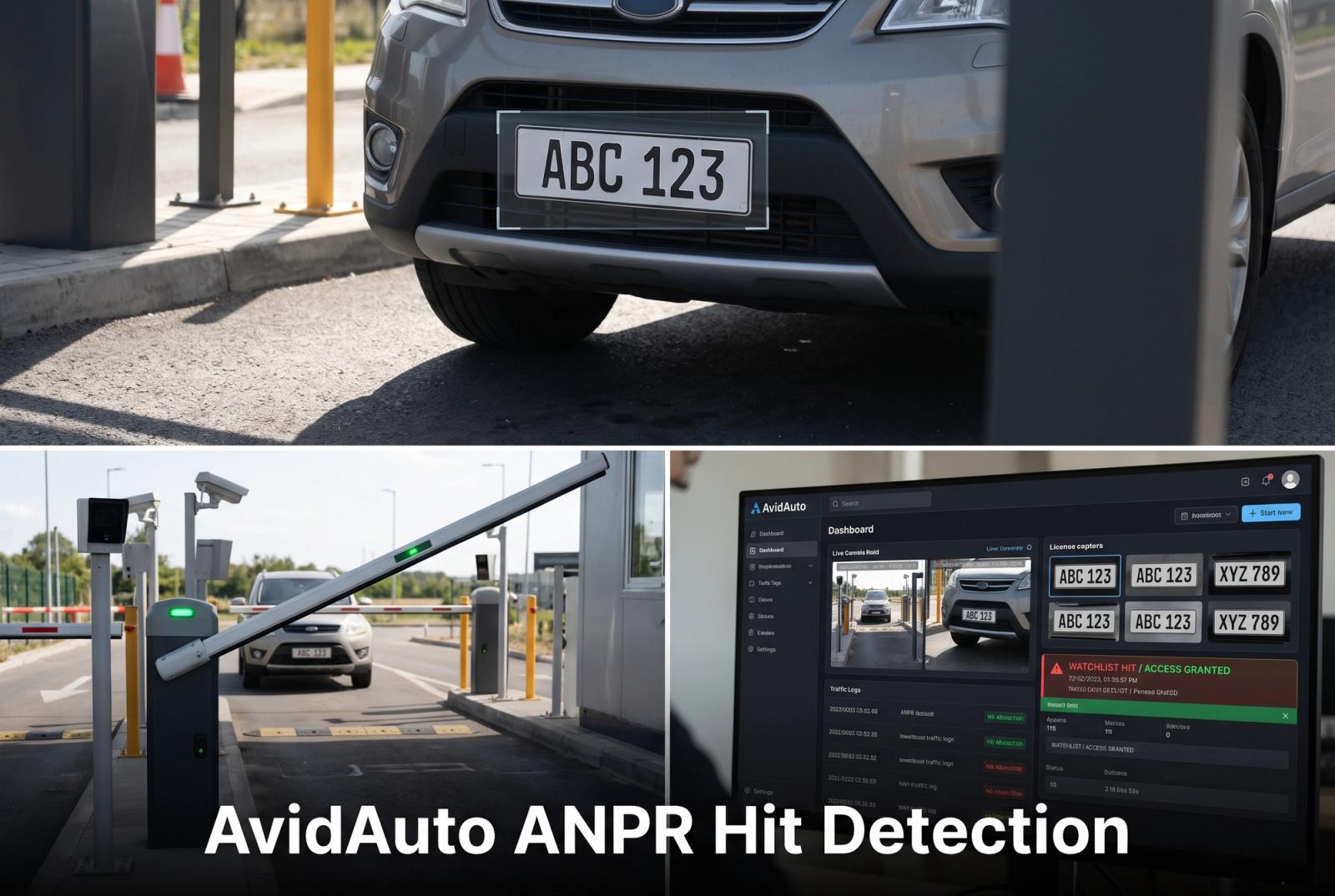
| Entry gate | Vehicle entry and exit counts, peak arrival periods, vehicle queue length, waiting time, traffic flow, license plate recognition, and unauthorized vehicle access alerts | Streamline guest check-in and vehicle access, reduce gate congestion, support authorized vehicle verification, optimize gate staffing, and improve access control and security monitoring |
| Retail and gift shops | Foot traffic from corridor to shop, dwell time by product zone, conversion from browsing to purchase area | Merchandising layout, product placement by dwell performance, staff scheduling for peak browsing periods, and promotional trigger timing |
| Corridors and elevator lobbies | Flow volumes between zones, congestion at elevator banks during peak check-in and checkout periods, path patterns by wing | Housekeeping dispatch routing, porter deployment timing, signage placement for underutilized amenity zones, and elevator capacity management |
How Does Hotel Guest Analytics Work?
Hotel guest analytics processes live video from the hotel's existing camera network through a server-based AI platform that applies trained detection, counting, and tracking models to each frame. The output is structured behavioral data delivered to a unified operations dashboard in real time.
Camera-Based Data Collection
Any Open Network Video Interface Forum (ONVIF)-compliant IP camera at minimum 2 Megapixel resolution connects to the platform. Hotels do not need to replace their existing security camera networks or install specialized people-counting hardware. The AI model running on the server extracts guest behavioral data from the video signal those cameras were already capturing.
Camera placement is the only variable that determines which behaviors the system measures in each zone. Overhead cameras in lobbies and dining areas provide accurate people counts and occupancy readings. Entrance-level cameras capture flow direction and queue depth. A deployment scoping assessment maps the existing camera positions against the metrics each hotel department needs, and identifies any mounting adjustments that would expand coverage without adding hardware.
Server-Based AI Processing
The accuracy of hotel guest analytics depends on where the AI inference runs. Camera-embedded processing is constrained by the hardware limits of a camera device, which degrades tracking performance in crowded lobby scenes, across wide dining areas, and under variable lighting conditions common in hospitality environments.
Server-based AI runs full-depth models centrally. The minimum infrastructure requirement is 2 GB of Random Access Memory (RAM) and a 2.4 GHz processor per camera channel, allocated at the server level. This architecture maintains accurate guest detection and zone tracking across the density and lighting conditions found in hotel environments, from busy check-in periods to low-light bar and lounge settings.
AvidBeam's AvidSight platform delivers hotel guest analytics from this server-based architecture. It measures foot traffic, dwell time, zone occupancy, queue depth, and demographic distribution across every connected camera zone, with configurable alert thresholds and a unified dashboard accessible to each department with role-appropriate data views.
| Running an existing camera network across your hotel property? AvidBeam's guest analytics platform connects without hardware replacement or VMS disruption. Contact info@avidbeam.com for a property assessment. |
How Does Each Hotel Department Use Guest Analytics Data?
Hotel guest analytics produces different outputs for different teams. As covered in AvidBeam's article on guest analytics, the same platform that measures foot traffic in a retail environment applies directly to hotel public areas, F&B outlets, and recreational zones. In a hotel context, the data is organized by department and by the operational or commercial decisions each team is responsible for. The table below maps each hotel department to the guest analytics data it receives and how that team uses it.
| Hotel Department | Data Guest Analytics Provides | How the Team Uses It |
|---|---|---|
| Operations | Lobby queue depth, zone congestion, and peak check-in periods | Live alerts for queue thresholds exceeded, staffing triggers by zone, and real-time occupancy dashboards for duty managers |
| Food and Beverage | Cover counts by outlet, dwell time per sitting, peak arrival windows, and flow from public areas to dining | Service period staffing, reservation slot calibration, table turn time targets, and promotional timing for low-demand periods |
| Housekeeping | Guest flow in corridors and elevator lobbies, checkout timing patterns, and zone occupancy during servicing windows | Room servicing dispatch optimization, linen replenishment timing, and corridor scheduling to minimize guest interaction during cleaning |
| Revenue Management | Amenity utilization rates by day and time, spa booking gap data, and F&B outlet occupancy curves | Dynamic pricing triggers for spa and activity bookings, upsell timing based on amenity availability, and occupancy-based package offers |
| Guest Experience | VIP guest recognition at lobby entry, repeat visitor identification, and service response time data | Personalized welcome protocols for recognized guests, proactive service deployment before guests reach a congestion point, and complaint pattern identification by zone |
| Security | Zone occupancy for safety compliance, unauthorized access attempts in restricted areas, and unusual movement patterns | Capacity alerts for pool and event areas, security deployment triggers, and post-incident footage retrieval by zone and time |
| Sales and Marketing | Event space utilization reports, F&B outlet performance by day and segment, and amenity discovery rates | Evidence-based venue sales presentations, promotional targeting by underperforming zones, and group package design based on actual amenity utilization |
| Facilities Management | Zone utilization curves for energy management, peak and off-peak occupancy patterns, and maintenance window identification | HVAC and lighting scheduling aligned to actual occupancy, maintenance dispatch during low-traffic periods, and capital investment prioritization by zone utilization data |
What Makes Hotel Guest Analytics Different from General Visitor Counting?
General visitor counting systems record how many people enter a building. Hotel guest analytics measures what guests do once inside, across every zone of a multi-area property, in relation to the service points and revenue outlets that determine the hotel's financial and experiential performance.
Zone Attribution and Path Tracking
Hotel guest analytics tracks guest movement from zone to zone, not just at a single entry point. Operations teams see whether guests arriving at check-in proceed to the restaurant, the lounge, or directly to their room. Revenue managers see whether spa guests also use the pool deck and for how long. Marketing teams see which amenity zones guests discover without prompting and which require signage or staff direction.
VIP and Repeat Guest Recognition
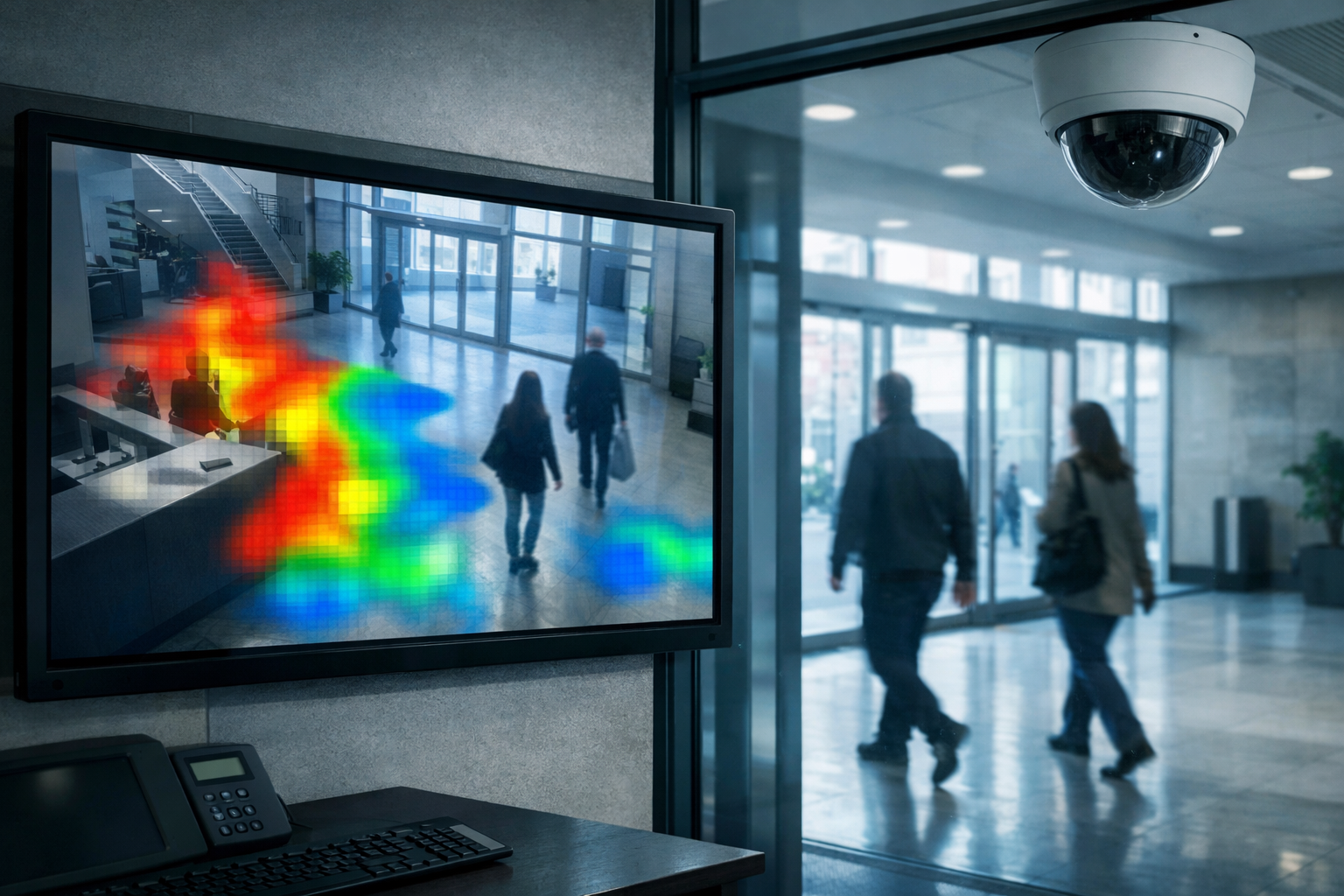
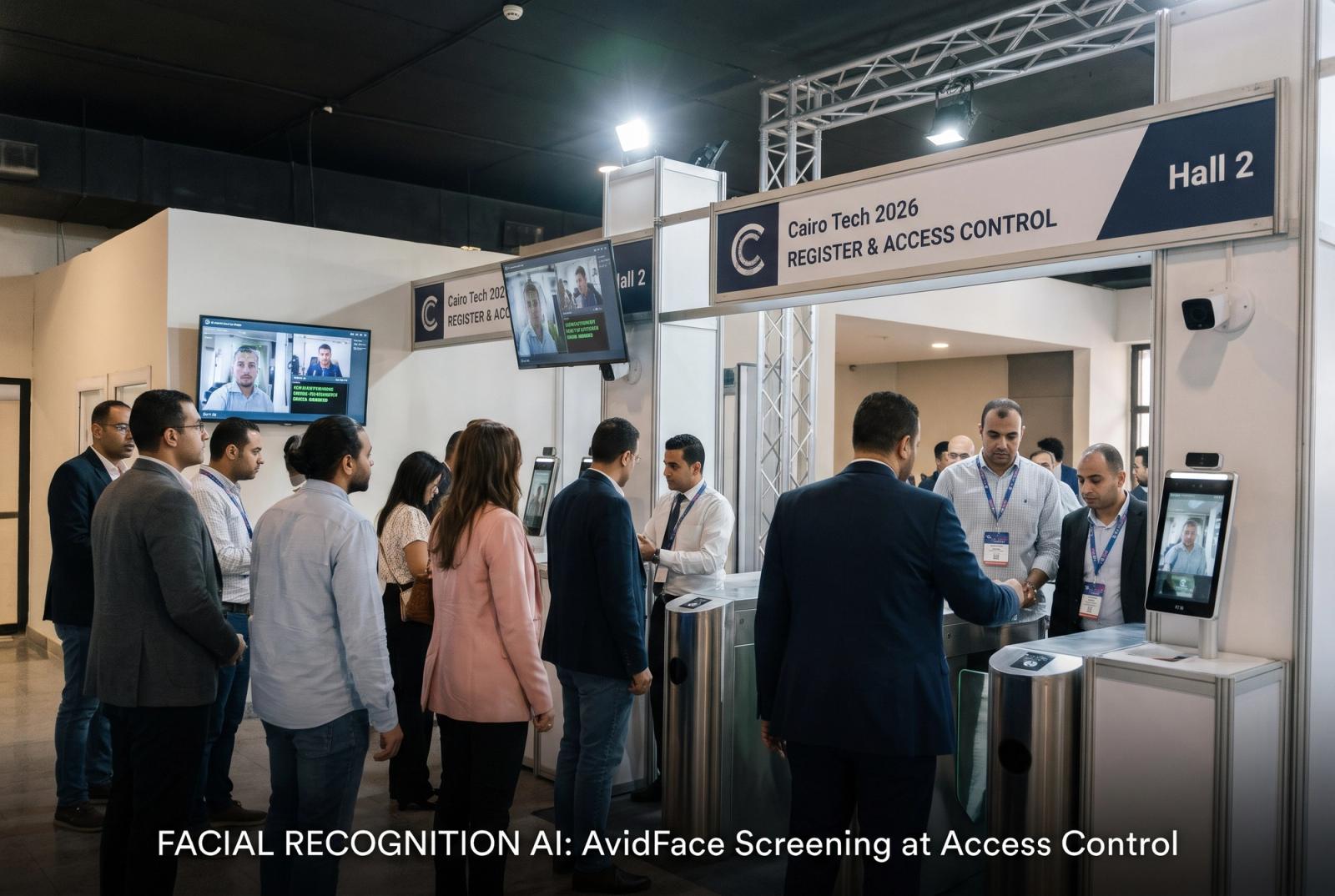
For luxury and five-star properties, facial recognition adds a service layer to guest analytics. When a VIP or returning guest is recognized at lobby entry, the system sends an alert to the front desk or guest relations team before the guest reaches the counter. This enables personalized service responses that feel effortless to the guest and are actually driven by live data. For a detailed view of the spatial density visualization that supports zone-level guest behavior decisions, see AvidBeam's article on heatmap analysis.
FAQ
What is hotel guest analytics?
The use of AI-powered video analysis to measure guest foot traffic, dwell time, zone occupancy, queue depth, amenity utilization, and movement patterns across hotel facilities in real time, from existing cameras.
Does hotel guest analytics require new cameras?
No. Any ONVIF-compliant IP camera at minimum 2 Megapixel resolution connects to AvidBeam's server-based platform without hardware replacement.
Which hotel zones benefit most from guest analytics?
Lobbies, parking areas, entry gates, F&B outlets, and amenity areas deliver the highest operational return. Lobby data drives staffing and check-in queue management. Parking and entry gate data support vehicle flow optimization, access control, and peak-hour traffic management. F&B data drives cover counts and service period planning. Amenity data drives spa scheduling and pool deck staffing.
Can hotel guest analytics recognize VIP guests?
Yes. AvidBeam's platform includes facial recognition that identifies enrolled VIP and loyalty guests at lobby entry, triggering personalized service alerts to front desk and guest relations teams before the guest arrives at the counter.
How does hotel guest analytics handle guest privacy?
The platform measures behavioral patterns and aggregate zone metrics without storing personal identity data for general guests. VIP recognition requires enrollment and operates under the hotel's own guest data policies.
What dashboard does the platform provide?
A unified operations dashboard with zone-level occupancy, foot traffic trends, queue depth alerts, dwell time reports, and demographic segment breakdowns, with role-appropriate views for operations, F&B, revenue management, and security teams.
Can the system alert staff in real time?
Yes. Configurable thresholds trigger real-time alerts for queue length, zone capacity, and VIP recognition events, delivered to the duty manager or relevant department supervisor via the operations dashboard.
| Want to see hotel guest analytics running on your existing camera infrastructure?Request a live demo of AvidBeam's platform across your lobby, F&B outlets, and amenity zones. Send an email to info@avidbeam.com to schedule a session with the technical team. |